Source Handcrafted 8 String Oud Mandolin for Music, Gifts, Beginners
Compare 30 listings of handcrafted 8 string oud mandolin instruments from verified Chinese manufacturers. Buyers can evaluate specifications like wood type, string count, and packaging to find suitable options for music lovers, students, and gift buyers; compare the available evidence and request quotations based on your requirements.
Key considerations
Products List
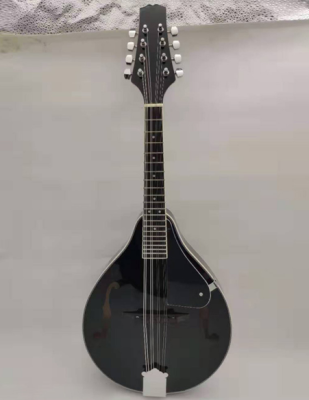
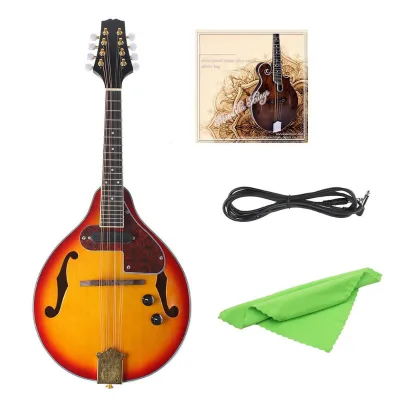
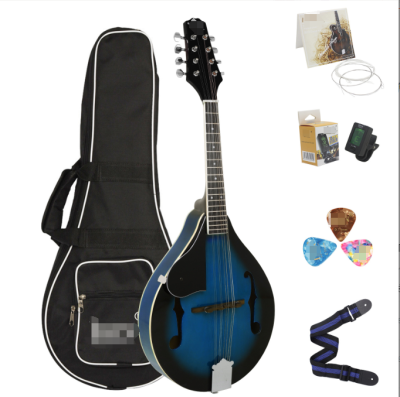
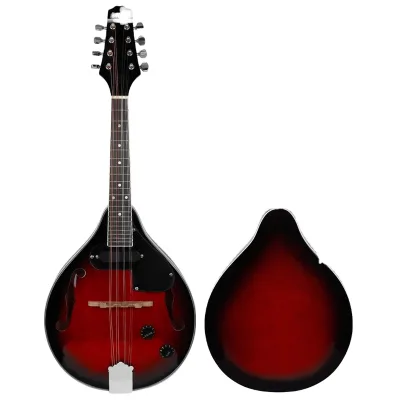
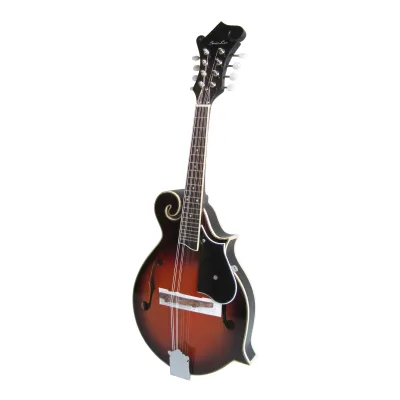
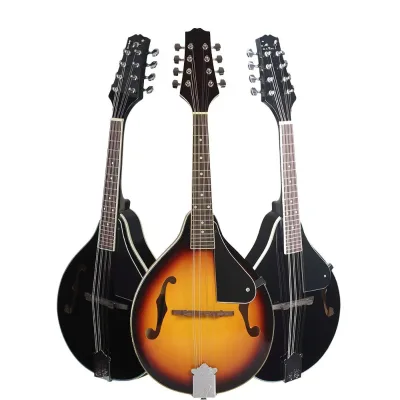


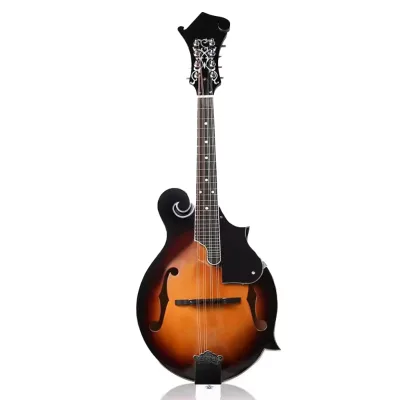
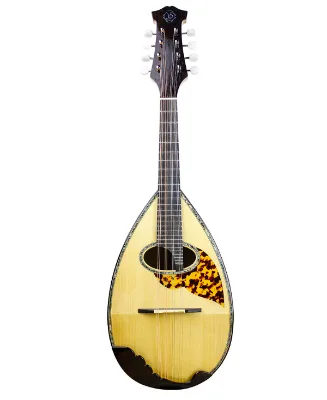


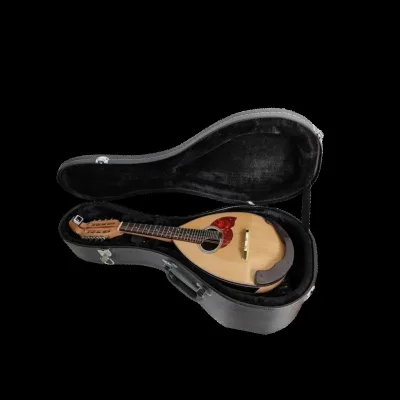
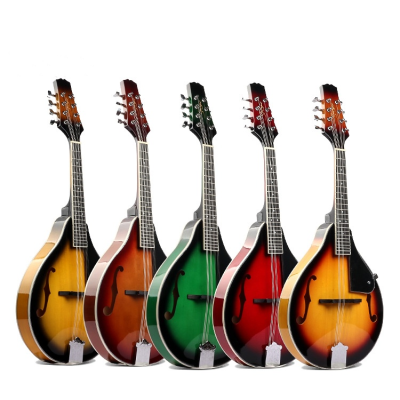
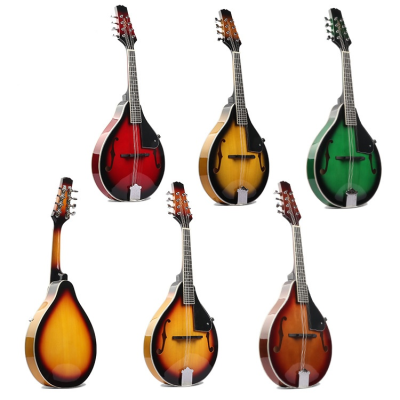

Comprehensive Sourcing Guide
Handcrafted 8 String Oud Mandolin Sourcing Guide
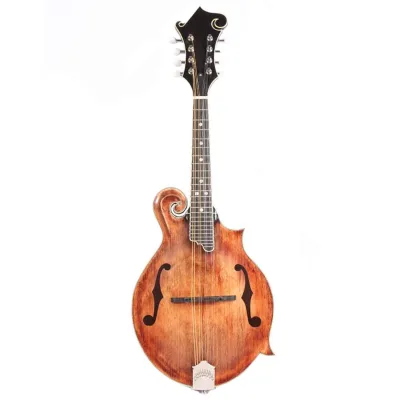
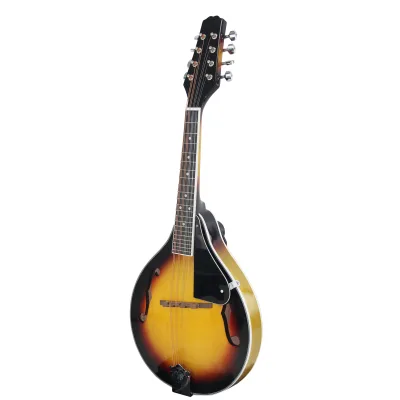
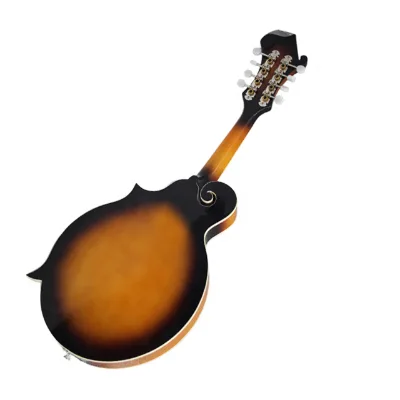
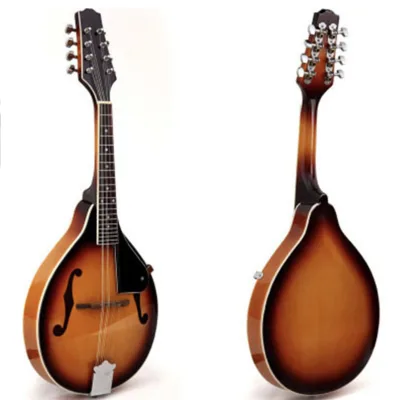
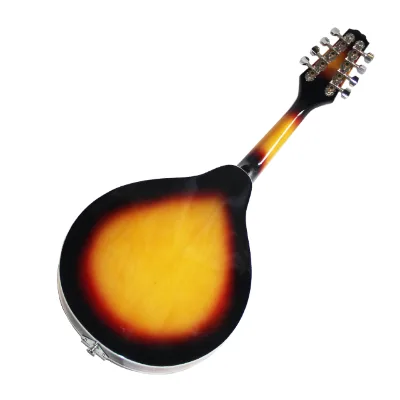
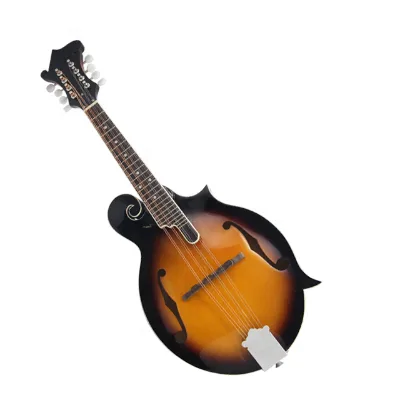
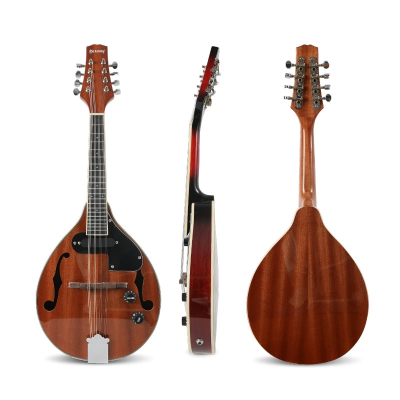
Sourcing a handcrafted 8 string oud mandolin requires careful attention to the specific construction materials and string configurations observed in the market. Buyers should verify that the instrument utilizes solid wood bodies, such as basswood or cedarwood, which are frequently listed for this category. The presence of eight strings is a critical differentiator, distinguishing these instruments from standard four-string mandolins and requiring specific tuning peg types like open gear mechanisms to maintain stability.
Procurement teams must also scrutinize the fingerboard material, as rosewood and ebony are the primary options identified in current listings. These materials significantly impact the tactile feel and tonal resonance of the instrument. When evaluating potential suppliers, ensure that the product description explicitly confirms the eight-string configuration and the specific wood types used for the body and fingerboard to avoid receiving standard models that do not meet the unique acoustic requirements of this niche.
Product Scope and Observed Listing Signals
The current market for these instruments displays a wide variance in minimum order quantities, ranging from single units to bulk orders of one hundred pieces. This flexibility allows buyers to test the market with small batches or secure inventory for larger distribution networks. However, the observed price points fluctuate significantly, suggesting that factors like finish type, hardware quality, and packaging density heavily influence the final cost structure.
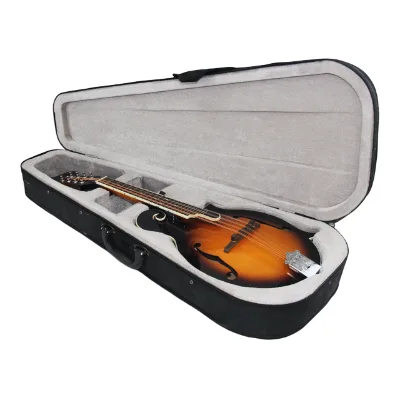
Buyers should note that packaging specifications vary, with some listings indicating single carton boxes while others specify bulk packing of one hundred pieces per carton. The single package dimensions and gross weights also differ, affecting shipping logistics and cost calculations. It is essential to confirm whether the listed price includes custom logo services, as many suppliers offer this as a standard option for branding purposes, which can add value to the final product offering.
Technical Specifications to Verify
Technical verification must begin with the model number and physical dimensions, as these define the instrument's playability and portability. Listings show model numbers such as JY ME-21 and MD-10, with package sizes ranging from compact 69x28x5 cm units to larger 133x12x24 cm configurations. Buyers need to ensure the selected model matches the intended use case, whether for beginners, students, or professional music lovers, as the physical size directly correlates with the instrument's acoustic properties.
The finish type and hardware quality are equally critical technical parameters that define the instrument's longevity and aesthetic appeal. Matte finishes are commonly observed, but the specific hardware, such as gold-plated or imported quality tuning pegs, must be confirmed against the supplier's specifications. Additionally, the color options, which include solar colors, wine red, and black, should be verified to ensure they align with the target market's preferences and the brand's visual identity.
Compliance and Safety Documentation
While specific certification documents are not explicitly detailed in the provided product data, buyers must request proof of compliance with international safety standards for musical instruments. This includes verifying that the wood materials used are treated to prevent pest infestation and that any finishes applied are non-toxic and safe for human contact. The absence of explicit certification data in the listing means the buyer must proactively ask for material safety data sheets or relevant export compliance certificates.
Documentation regarding the origin of the wood and the manufacturing process is also essential for maintaining supply chain transparency. Suppliers from regions like Zhejiang, Guangdong, and Hunan in China are common sources, but the specific environmental and labor standards applied during the crafting process must be confirmed. Buyers should ensure that the supplier can provide traceability for the cedarwood, basswood, or rosewood used to guarantee that the materials are sourced responsibly and meet the ethical standards of the importing region.
Cost Drivers and Commercial Terms
The cost of these instruments is driven by several factors, including the type of wood, the complexity of the eight-string setup, and the level of customization available. Suppliers offering customized logos and specific color combinations often command higher prices due to the additional labor and setup costs involved. The observed price range of 26.57 to 1299 USD reflects this variability, with higher prices likely corresponding to premium materials and more intricate handcrafted details.
Commercial terms such as the minimum order quantity and selling units also play a significant role in the total cost of ownership. While some suppliers allow orders as low as one piece, others may require a minimum of ten or one hundred pieces, which impacts the initial capital outlay. Buyers should negotiate based on the specific volume requirements and clarify whether the quoted price includes packaging, branding, and shipping costs to avoid unexpected expenses during the procurement process.
Supplier Qualification and Quality Control
Qualifying a supplier for handcrafted instruments requires a thorough review of their production capabilities and quality control protocols. Buyers should verify the supplier's experience with specific wood types and their ability to maintain consistent string tension and tuning stability across different units. The presence of OEM branding and customized logo options suggests that the supplier has the flexibility to meet specific client requirements, but this must be backed by a robust quality assurance process.
Quality control checks should focus on the consistency of the finish, the alignment of the tuning pegs, and the structural integrity of the instrument. Since the gross weight and package dimensions vary, buyers must ensure that the final product matches the specified weight and size to prevent shipping issues and customer dissatisfaction. It is advisable to request sample units for physical inspection before committing to a larger order to validate the craftsmanship and adherence to the technical specifications provided.
Long-Term Procurement Checks
Establishing a long-term procurement relationship involves regular audits of the supplier's ability to maintain consistent quality and delivery timelines. Buyers should monitor the consistency of the wood grain, finish quality, and hardware performance over multiple production batches to ensure that the product remains stable. The ability to source specific materials like ebony or rosewood consistently is a key indicator of a supplier's reliability and supply chain strength.
Continuous communication regarding market trends and customer feedback is essential for adapting the product offering over time. As the market for 8 string oud mandolins evolves, suppliers must be able to adjust their production processes to meet changing demands for specific colors, finishes, or customization options. Regular performance reviews and feedback loops will help ensure that the partnership remains mutually beneficial and that the final product continues to meet the high standards expected by music lovers and professionals alike.
FAQs
What materials are used for the body and fingerboard?
The instruments are crafted from solid wood, including cedarwood, basswood, and rosewood for the fingerboard. Ebony is also used for specific models. These natural materials provide the rich tone and durability expected from quality stringed instruments designed for music lovers and beginners.
Can I customize the logo and packaging for bulk orders?
Yes, customized logos and packaging are available for bulk purchases. Buyers can request specific carton box configurations and branding. This service supports OEM requirements, allowing businesses to tailor the product presentation to their market needs while maintaining the core instrument quality and specifications.
What is the minimum order quantity for these instruments?
The minimum order quantity varies by supplier, ranging from 1 piece to 100 pieces. Some listings accept single items for testing, while others require larger batches. Buyers should verify the specific MOQ with the manufacturer to ensure it aligns with their initial procurement strategy and budget.
Which models are suitable for beginners and students?
Models like the MD-10 and ME-23 are explicitly designed for beginners, students, and music lovers. These instruments feature user-friendly specifications and durable construction. They are ideal for those starting their musical journey, offering reliable performance and accessible pricing for educational or personal use cases.
What are the standard packaging dimensions and weight?
Packaging sizes vary by model, typically ranging from 73x31x12 cm to 133x12x24 cm. Single gross weights range from 0.17 kg to 2.0 kg. These dimensions ensure safe transport and storage. Buyers should check specific model details to plan logistics and warehouse space effectively for their orders.